By Franchesco Fickey Martinez
•
July 3, 2026
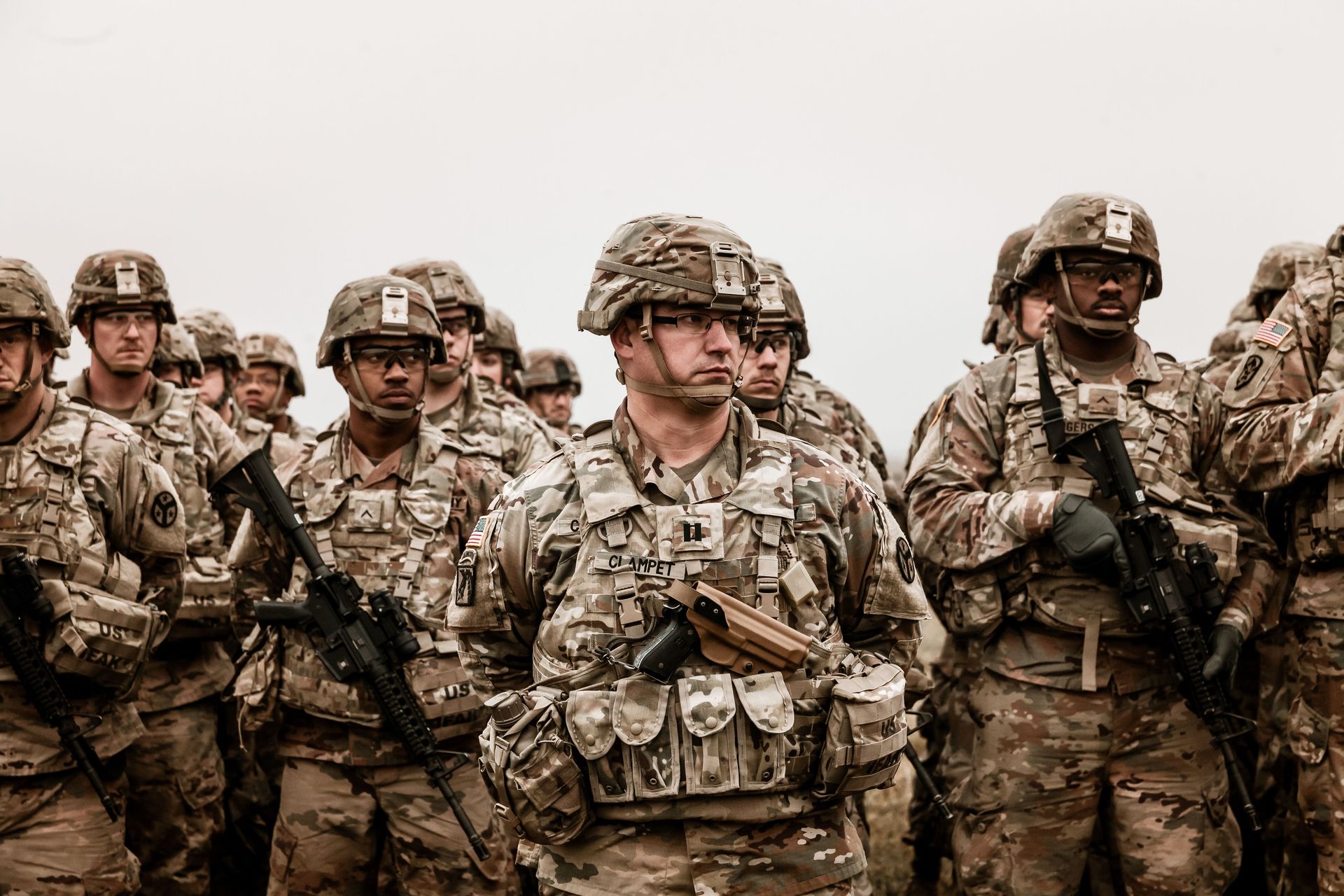
Based on our firm's experience handling INA §319(b) naturalization cases over the past decade, this guide is intended to help military families and qualifying U.S. government employees preparing for a naturalization interview at the Fairfax, Virginia (Washington, DC) USCIS Field Office. Although every case is unique and USCIS policies continue to evolve, the information below reflects recurring procedures, documentation requests, and practical recommendations that our office has observed during numerous §319(b) naturalization cases. 1. Why choose INA §319(b) instead of the traditional three-year marriage-based naturalization process? For many military families and qualifying U.S. government employees serving overseas, INA §319(b) offers significant logistical advantages. Unlike the standard three-year marriage-based naturalization process, INA §319(b): Does not require the applicant to satisfy the normal three-year continuous residence requirement. May allow biometrics to be completed outside the United States, depending on USCIS procedures at the time. Is generally processed on an expedited basis compared to standard naturalization filings. Often results in expedited oath ceremony scheduling because applicants typically need to return overseas shortly after naturalization. Another important advantage is location. The Fairfax, Virginia USCIS Field Office is located near Washington, D.C., where the U.S. Department of State operates a same-day emergency passport agency. Since a newly naturalized U.S. citizen must obtain a U.S. passport before traveling internationally as a U.S. citizen, this location can make post-naturalization travel considerably easier. 2. What types of government employment are commonly recognized under INA §319(b)? While eligibility is ultimately determined by USCIS and applicable law, we have commonly seen successful filings involving spouses of: Active Duty U.S. Military members Department of Defense (DoD) civilian employees Department of State (DOS) employees NATO employees serving in qualifying assignments 3. What additional documentation should applicants expect? One of the most common questions we receive is: "What documents should I bring beyond the normal naturalization requirements?" The answer has changed over the years. Some USCIS officers request only the documents necessary to establish eligibility, while others request substantially more supporting evidence. Our recommendation is to prepare for the more comprehensive review. Documentation we commonly recommend includes: Employment and Assignment Documentation DD Form 1278 executed at the time of filing Updated DD Form 1278 executed shortly before the naturalization interview Active Duty orders listing the spouse as accompanying, when applicable DD Form 1614 and DD Form 1617, if applicable Current government or military identification cards for both spouses SOFA documentation, when applicable Recent Leave and Earnings Statement (LES) or civilian pay statement confirming continued qualifying employment Command Certification We recommend obtaining a certification from the Commanding Officer (or appropriate supervisor) confirming: The qualifying government employment remains active. The assignment is expected to continue for at least one year. The applicant is authorized to accompany the government employee overseas. Many commands appreciate having a standardized template, which is why our office provides one separately. Applicant Statements Applicants should also be prepared to provide: A written statement confirming they intend to reside abroad with their government-employed spouse immediately after naturalization. Travel reservations, when available. A signed statement acknowledging they are applying under INA §319(b), remain married to the qualifying government employee, and understand USCIS may request additional documentation before approving the application. Additional Documentation Occasionally Requested Although not always requested, we have also seen USCIS request: Federal income tax returns covering all years of lawful permanent residence or prior U.S. residence DD Form 214 Previous military orders Historical SOFA documentation Prior U.S. visas Previous foreign passports, including biographic pages and visa pages Because documentation requests vary from officer to officer, we recommend bringing more documentation than you expect to need. 4. Will I Become a U.S. Citizen on the Same Day as My Naturalization Interview? Generally, no. After your naturalization interview, your case must complete several post-interview processing steps, including quality assurance review, supervisory approval, oath ceremony scheduling, and advance printing of your Certificate of Naturalization. At the Washington, DC Field Office, USCIS officers often advise applicants to allow one to three business days after the interview before an oath ceremony may be scheduled. While processing times vary, same-day naturalization ceremonies have generally not been conducted at this office since 2025. 5. When Should I Schedule an Expedited U.S. Passport Appointment? Based on prior procedures, applicants historically received an automated email reminder approximately three weeks before their scheduled naturalization interview explaining the passport application process and how to request an appointment with the Washington, DC Passport Agency. In most cases, expedited passport appointments are not available on short notice . Once you are within 14 days of your international departure and have confirmed travel (such as an airline ticket), you may request an expedited passport appointment. We generally recommend scheduling the appointment three to five days after your anticipated naturalization interview , if possible. Complete information regarding eligibility, appointment scheduling, required documentation, fees, office hours, and passport application procedures is available through the U.S. Department of State: https://travel.state.gov/en/passports/apply/get-fast/make-appointment/washington.html 6. Will the USCIS Officer Tell Me Whether My Case Is Approved at the Interview? Current USCIS policy (2026) generally provides that officers: Cannot provide their personal contact information or name. Cannot discuss internal case processing procedures or guarantee the outcome of your application. May inform you whether you successfully passed the English and civics tests. May advise that your case is being recommended for approval ; however, a recommendation is not a final approval, nor does it guarantee immediate processing or scheduling of your oath ceremony. 7. Must My Spouse Attend the Naturalization Interview if They Are the Qualifying Government Employee? Practices vary by USCIS officer. Some officers may request that the qualifying spouse attend the interview, while others may permit only the lawful permanent resident applicant to enter the interview room. When possible, we recommend that both spouses attend the appointment . If the qualifying government employee or service member cannot attend because of official employment obligations, a signed letter explaining their absence is recommended. If the officer has questions regarding the qualifying government employment, military service, or anticipated future employment, those questions are often most easily answered by the government employee or service member directly. Although USCIS officers are federal employees, they may not be familiar with the policies, documentation, and procedures of every federal agency, including the Department of Defense (DOD), Department of State (DOS), military branches, or NATO. Each agency and military branch maintains its own procedures and documentation requirements. 8. How Long Should I Plan to Stay in the Washington, DC Area? We generally recommend planning to remain in the Washington, DC metropolitan area for approximately five business days (one full week) . This provides flexibility should your oath ceremony be scheduled several days after your interview, as well as provide sufficient time for the DOS Passport Office to process the Same-day Passport Application of the new US Citizen. 9. What Is the Best Way to Travel to and Around the Washington, DC Area? For applicants traveling from the U.S. East Coast, air travel or Amtrak are both convenient options. Applicants traveling from the Midwest, West Coast, or overseas will generally find air travel to be the most practical choice. While in the Washington metropolitan area, we strongly recommend using the Washington Metro . It is typically less expensive than rideshare services or taxis and provides convenient transportation throughout the region. The USCIS Washington, DC Field Office is located in Fairfax, Virginia , within walking distance of the Dunn Loring–Merrifield Metro Station on the Orange Line. Metro information is available at: https://www.wmata.com/ 10. Are There Food Options Near the USCIS Field Office? Yes. We strongly recommend eating breakfast, brunch, or lunch before your interview. Interview processing times can vary, and being well-fed can make the experience considerably more comfortable. Several restaurants are located within walking distance of the field office, including: Casual Pint – American cuisine, burgers, sandwiches, and craft beer Jersey Mike's Subs – Sandwiches Grove – Poke bowls District Taco – Mexican cuisine Rasoi Indian – Indian cuisine Kiin Imm Thai – Thai cuisine Japomen Vienna – Japanese cuisine Lastly, Is There a Hotel Within Walking Distance of the USCIS Washington, DC Field Office? Several hotels are available in the nearby Merrifield area. For applicants seeking accommodations within a short walking distance of the field office, we recommend: Courtyard by Marriott Dunn Loring Fairfax 2722 Gallows Road Vienna, VA 22180 https://www.google.com/travel/hotels/s/NoVpgAzJuCqQwUcXA While our office cannot address every individual question or circumstance, we have extensive experience with INA § 319(b) (N-400) naturalization cases and are often able to provide guidance beyond what is typically available. If you have additional questions, we may be able to assist you by telephone or email. Disclaimer: This Blog is made available by the lawyer or law firm publisher for educational purposes only as well as to give you general information and a general understanding of the law, not to provide specific legal advice. By using this blog site you understand that there is no attorney-client relationship between you and the Blog/Web Site publisher. The Blog should not be used as a substitute for competent legal advice from a licensed professional attorney in your state.